

Implementing a Virtual Private Network (VPN) is crucial for enhancing cybersecurity and protecting sensitive data in small businesses. A well-planned VPN deployment ensures secure remote access, defends against cyber threats, and fosters a safe working environment for employees. Here are essential best practices to consider when implementing a VPN in your small business setting.
Does Your Business Need A VPN?
Before selecting a VPN provider, assess your business requirements and objectives. Consider factors such as the number of remote employees, types of devices used, and the level of data security needed. Choose a VPN solution that aligns with your business goals and supports scalability as your organization grows.
Select a Reliable VPN Provider
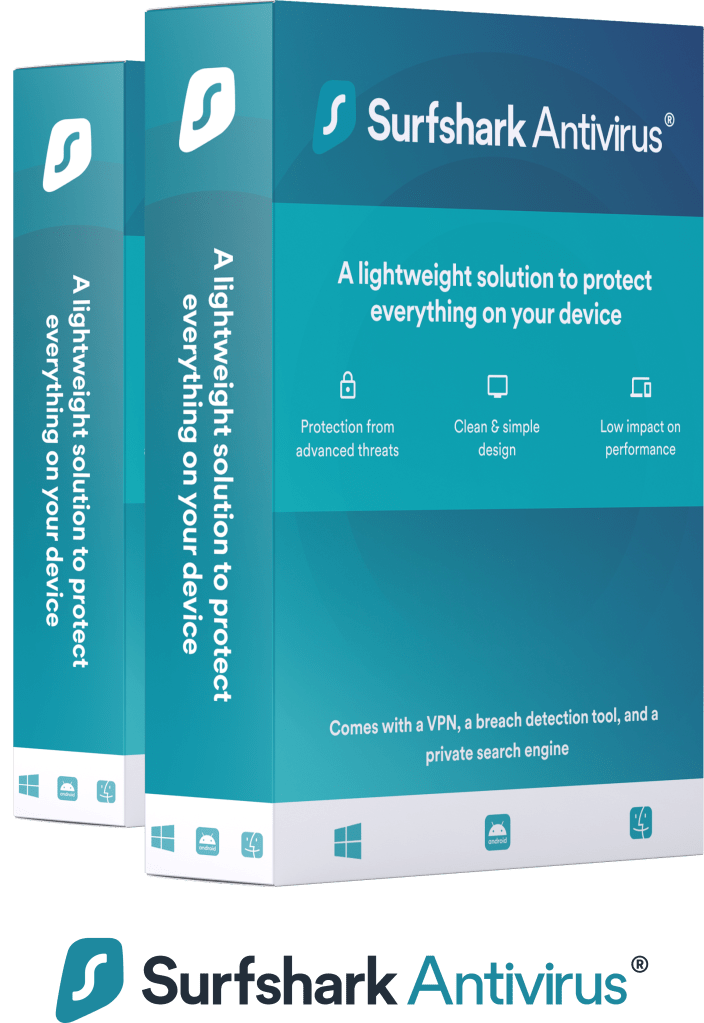
Opt for a reputable VPN provider known for robust security features, such as strong encryption protocols (e.g., AES-256 bit encryption), a strict no-logs policy, and multi-factor authentication (MFA). SurfShark, for example, offers these features along with a user-friendly interface and excellent customer support.
Customize Security Policies
Establish clear security policies and guidelines for VPN usage within your organization. Define access permissions, user authentication methods, and acceptable use policies to mitigate risks associated with unauthorized access and data breaches. Educate employees on cybersecurity best practices and VPN usage guidelines to promote adherence to security protocols.
Implement Strong Encryption Practices
Configure your VPN to use strong encryption algorithms to safeguard data transmitted between remote devices and your internal network. Ensure that all communications, including emails, file transfers, and web browsing, are encrypted to prevent interception by malicious actors.

Monitor and Audit VPN Usage
Regularly monitor VPN usage and conduct security audits to detect potential vulnerabilities and unauthorized access attempts. Implement logging and monitoring mechanisms to track user activities, detect anomalies, and respond promptly to security incidents or breaches.
Provide Training and Support
Offer comprehensive training sessions to educate employees on VPN usage, cybersecurity threats, and best practices for maintaining data security. Provide ongoing technical support and resources to address VPN-related issues and ensure smooth operation across your organization.
Backup and Disaster Recovery Planning
Include VPN infrastructure in your backup and disaster recovery plans to maintain continuity of operations in the event of hardware failure, natural disasters, or cyber-attacks. Implement regular data backups and test recovery procedures to minimize downtime and data loss risks.

Ready to Secure Your Small Business with a VPN?
Implementing a VPN in your small business enhances cybersecurity, protects sensitive data, and supports secure remote access for employees. By following these best practices, you can establish a robust VPN infrastructure that safeguards your business operations and promotes a safe digital environment.
Are you interested in securing your small business with a VPN? Explore reliable VPN solutions with SurfShark or NordVPN and safeguard your business from cyber threats today.

What do you think?